
Author: Khadija Abbasi, Child Psychologist , Speech Language Pathologist

Stammering, also known as stuttering, is a speech disorder that interrupts the natural rhythm of communication. It may manifest as repeated sounds, prolonged speech, or sudden blocks in speaking. This condition can affect people of all ages, often impacting self-confidence, social interaction, and overall communication abilities. It can appear at any age and often affects confidence, social participation, and the ability to communicate effectively. The way stammering presents varies among individuals some may repeat sounds like “I-I-I want to go.” others may prolong them as in “pllllllease,” pause mid-sentence, insert filler words such as “um,” or even substitute one word for another. Both neurological and psychological factors, including anxiety, perfectionism, and family communication patterns, can influence its severity.
The Role of Speech-Language Pathologists in Stammering Therapy
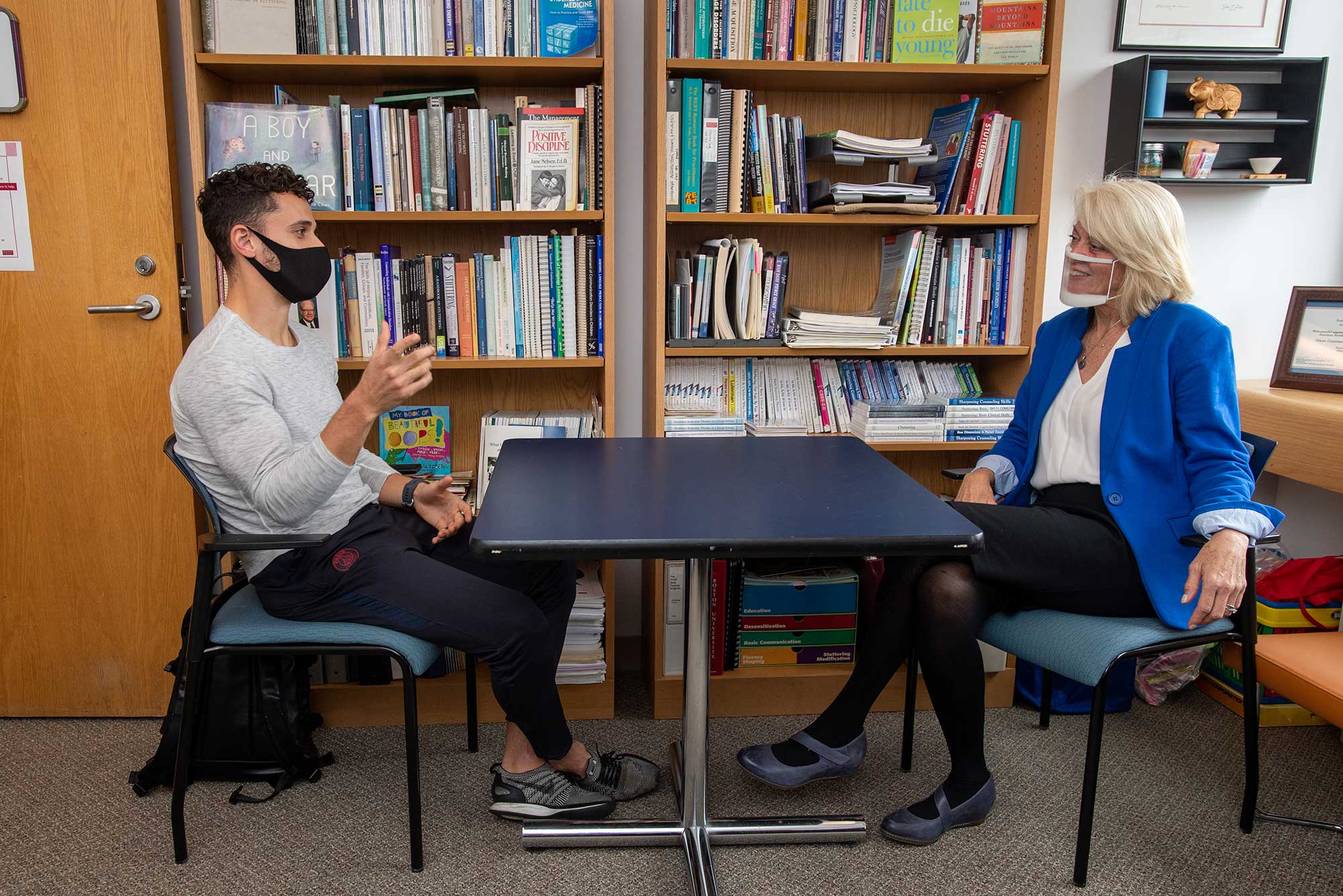
Speech-language pathologists (SLPs) play a crucial role in helping individuals manage stammering. Through personalized therapy plans, they address both the mechanics of speech and emotional well-being.
Techniques may include:
-
Diaphragmatic breathing to reduce speaking tension
-
Auditory feedback devices to modify speech perception effectively
-
Gradual exposure to challenging speaking situations
-
Shadowing exercises to practice fluency alongside a model speaker
-
Voluntary stuttering to reduce the fear of real stammering
- Education and family involvement to provide ongoing support, reinforce therapy techniques at home, and ensure long-term success
Additional Support:
-
Methods like easy onset, shadowing, and voluntary stuttering help clients build fluency and reduce fear associated with speaking
-
Education and family involvement further enhance progress and long-term success
Empowering Communication Through Speech Therapy

With consistent practice and professional guidance, individuals can improve both their fluency and self-assurance Ultimately, stammering is more than a speech difficulty it is a challenge that affects how people express themselves and connect with others. Breaking free from its limitations requires therapy, practice, and a supportive environment that encourages growth and confidence. Effective therapy combines skill-building, emotional support, and real-world practice, empowering people to communicate more freely and confidently. A supportive environment that encourages growth can make a profound difference in overcoming the limitations imposed by stammering.
Speech therapy is not just about words — it is about rebuilding confidence and opening doors to new opportunities.